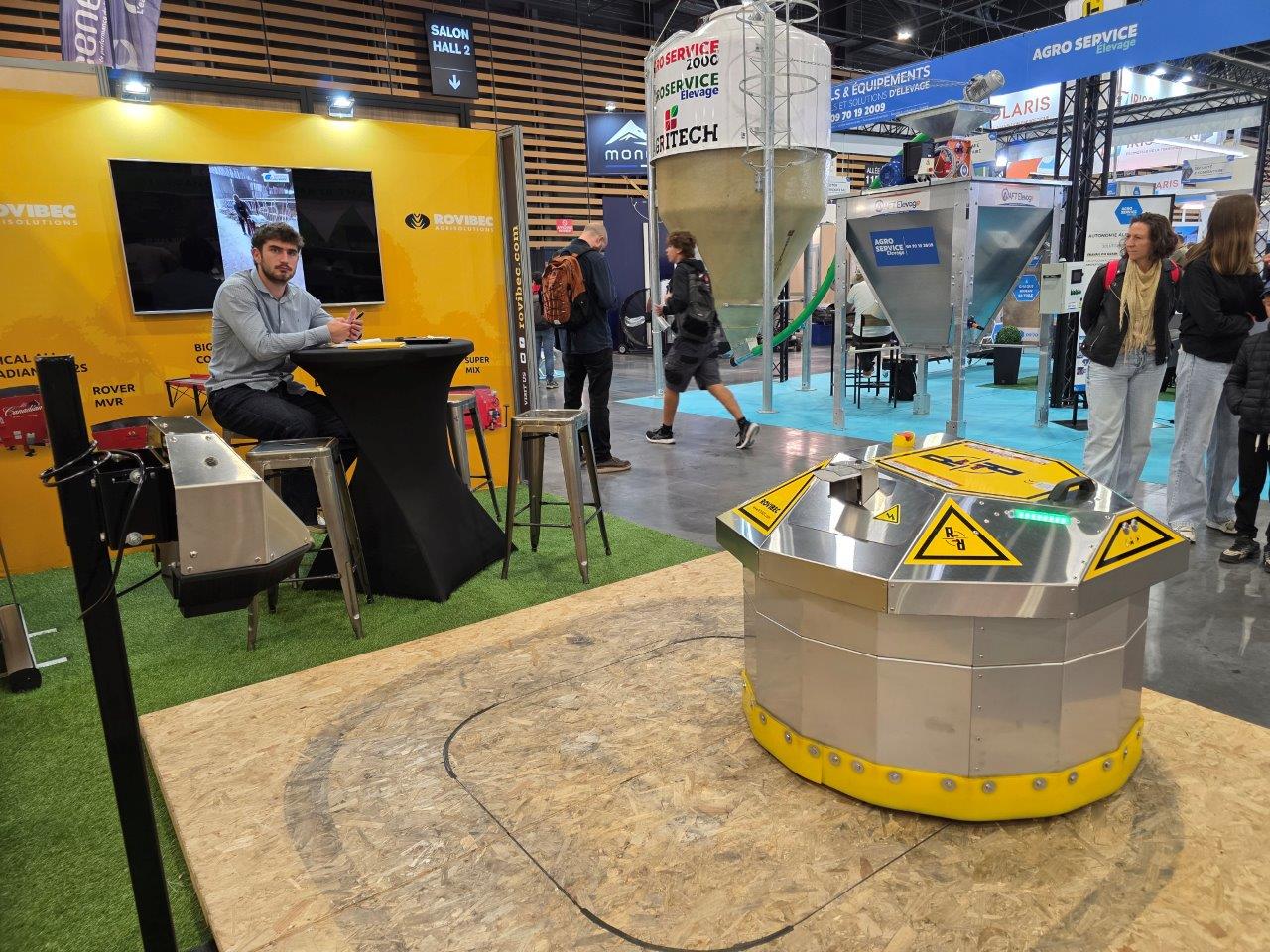
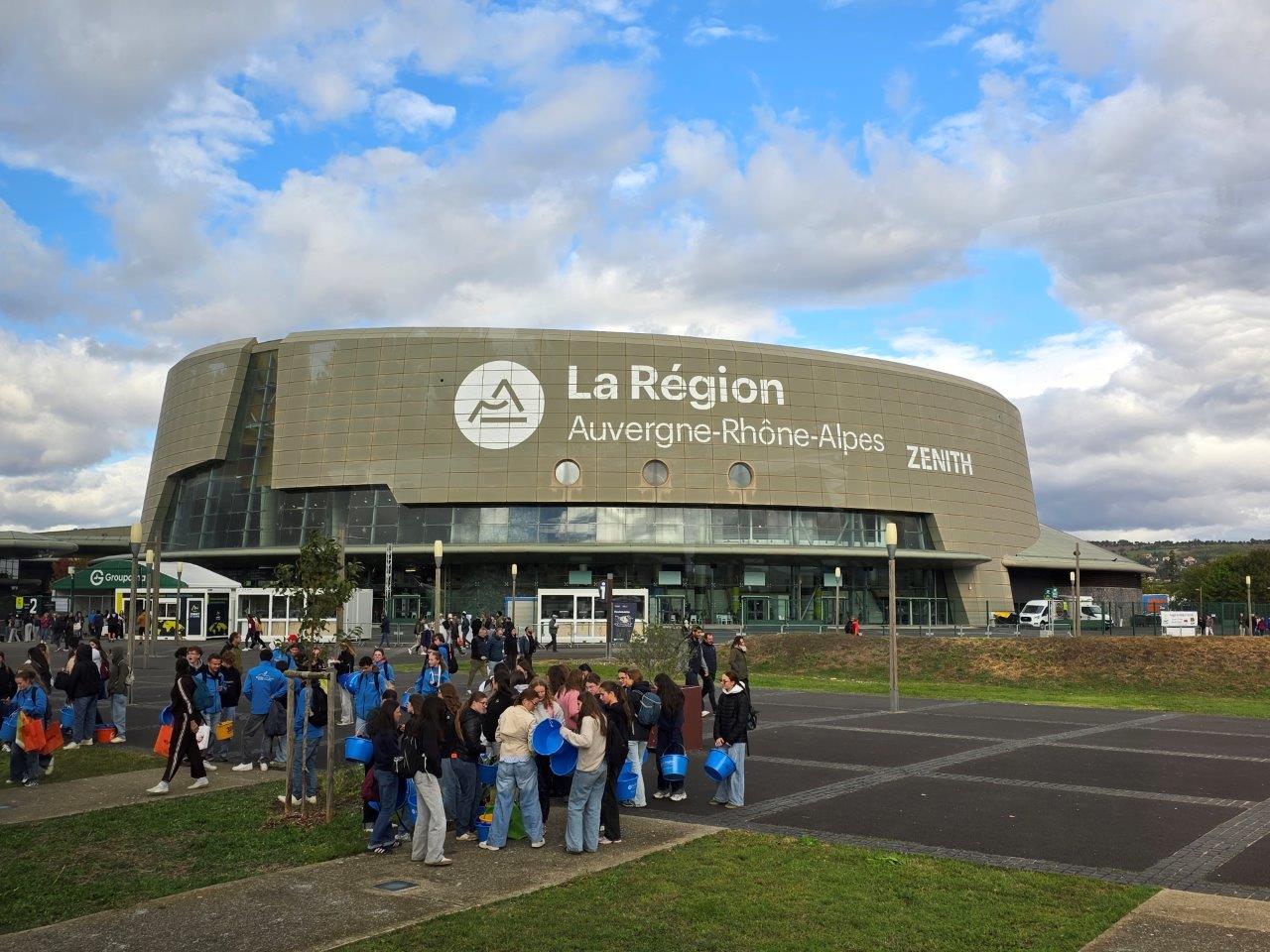
With 139,000 visitors, 1,814 exhibitors and international participants from more than 100 countries, the 35th edition of SOMMET DE L’ÉLEVAGE confirmed its position as one of the world’s leading livestock exhibitions. Alpine Agriculture explored the event and visited French dairy farms to discover how technology, genetics and cooperative farming are shaping the future of livestock production.
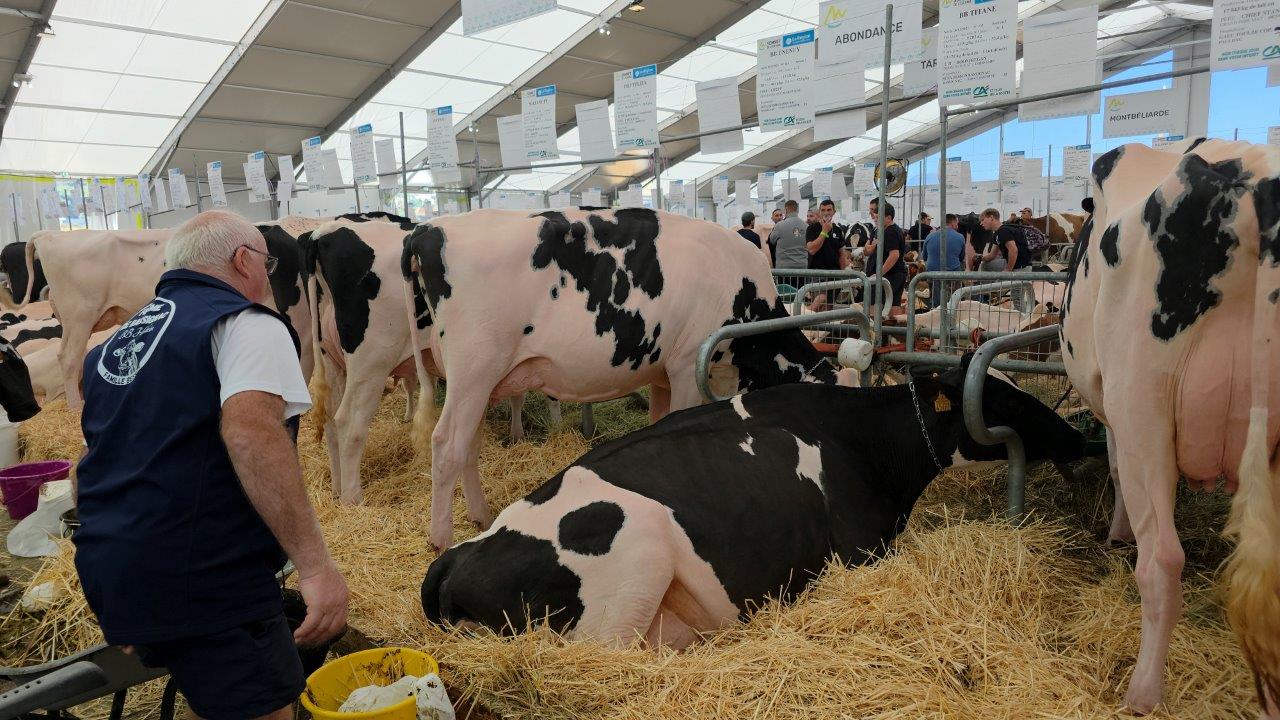
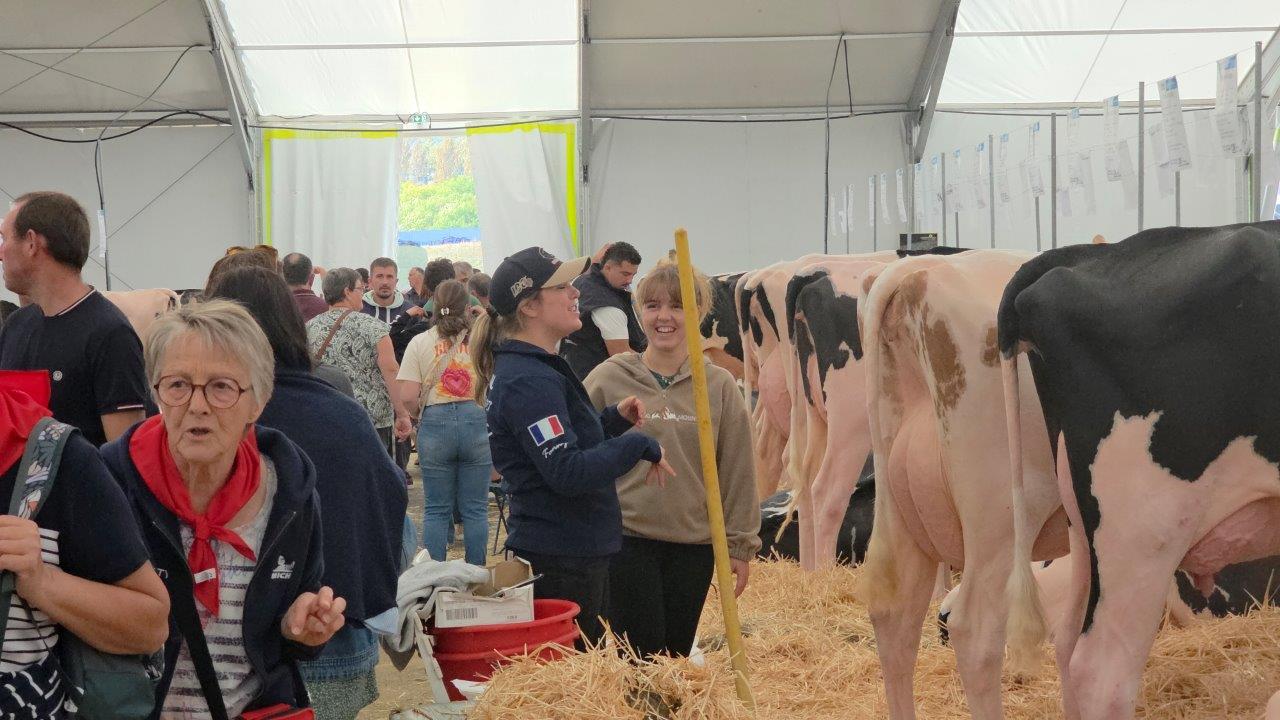
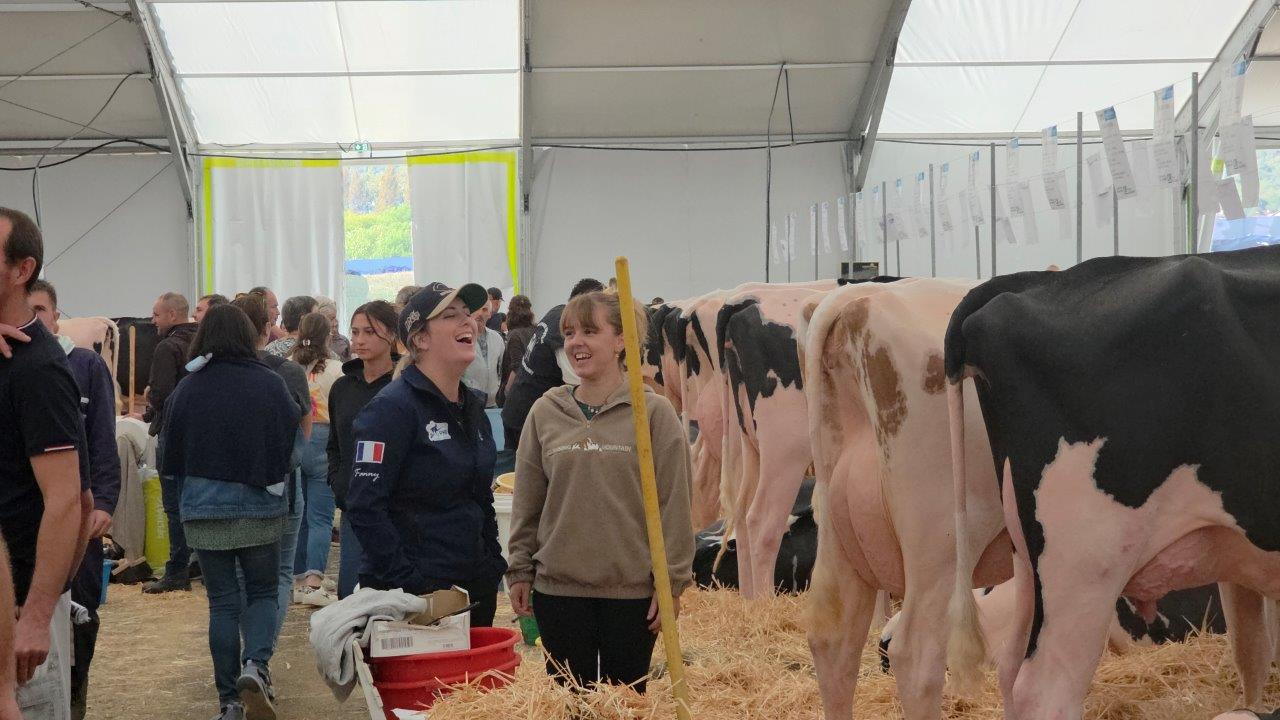
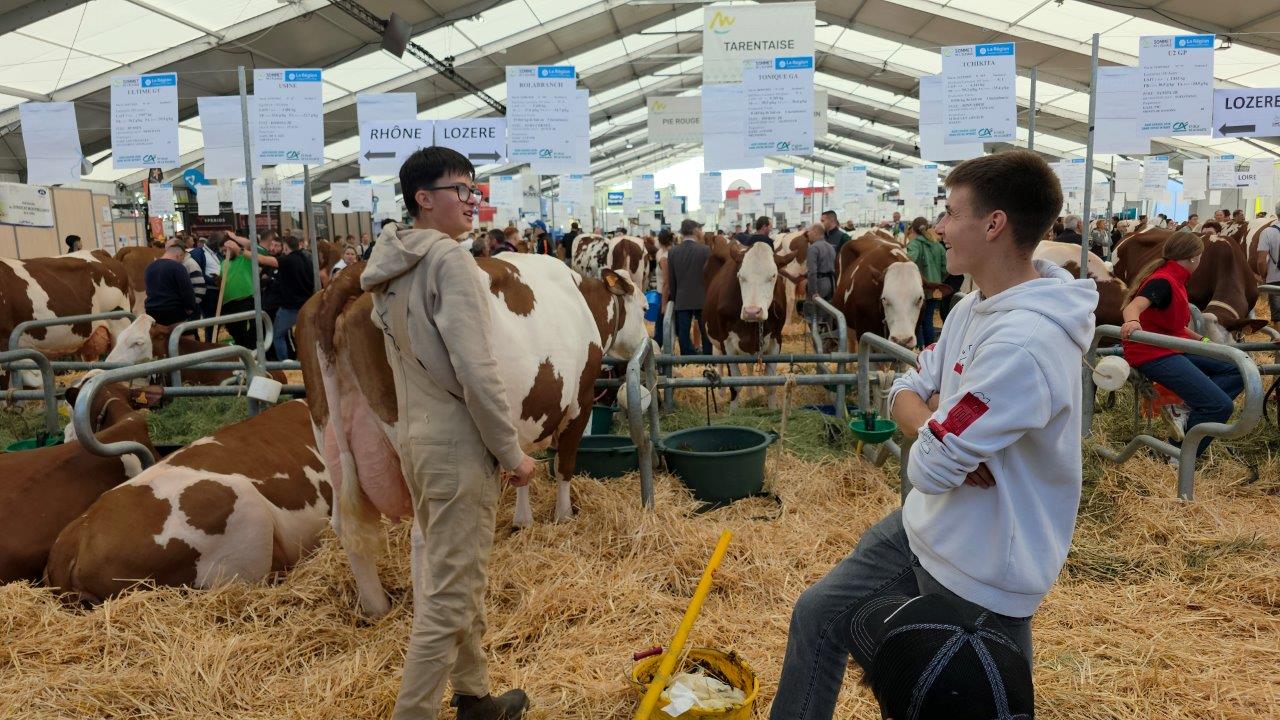
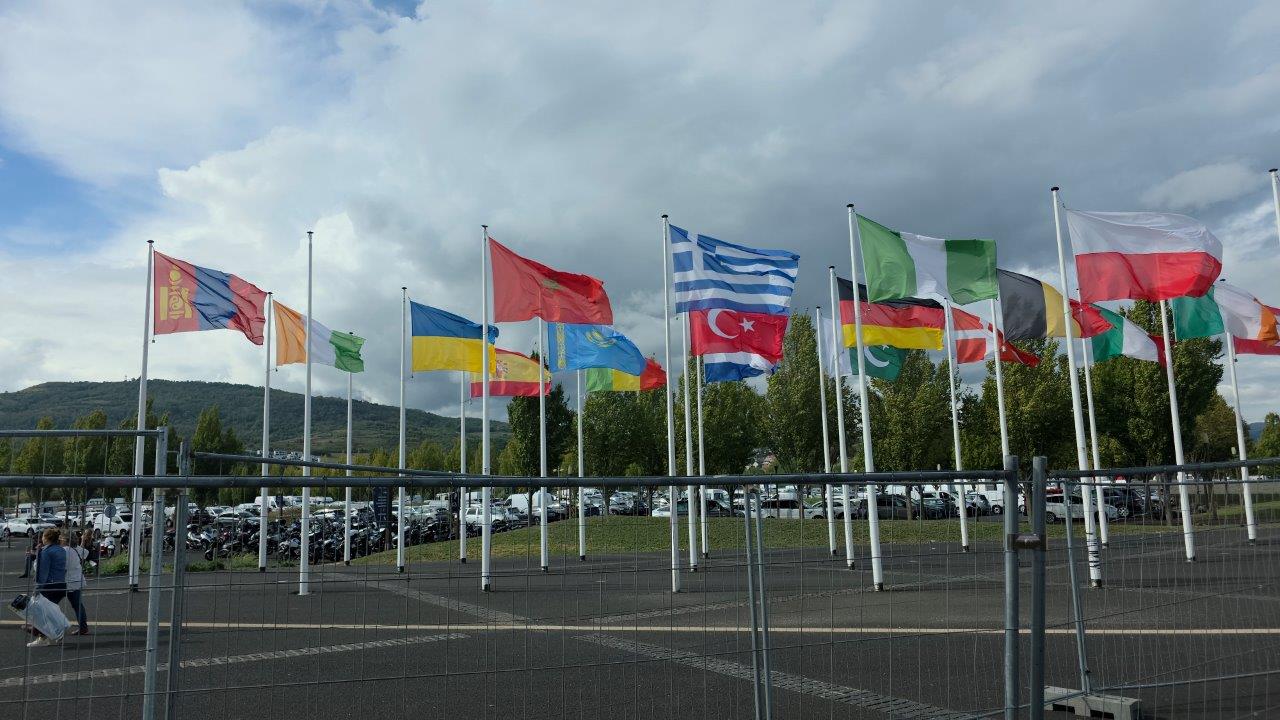
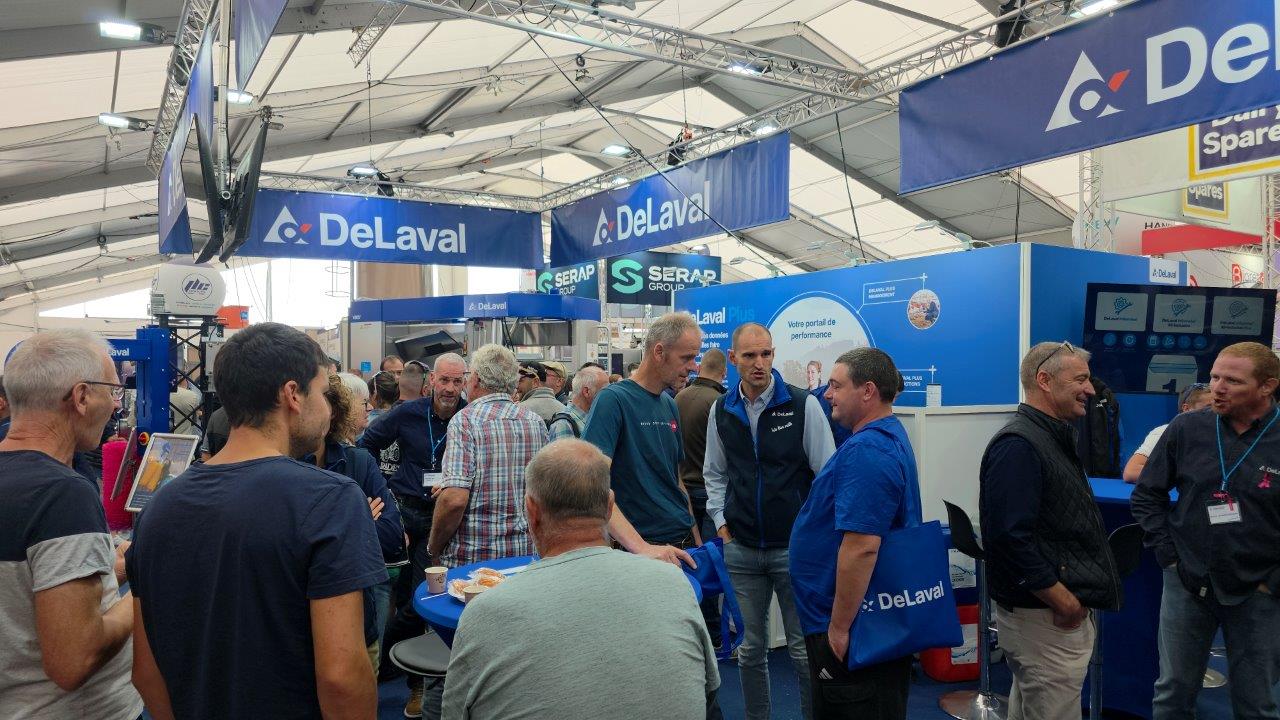
The 35th edition of SOMMET DE L’ÉLEVAGE concluded in Clermont-Ferrand, France, with record attendance and strong international participation. Over four days, the exhibition welcomed 139,000 visitors, 1,814 exhibitors, and about 2,000 animals, with nearly 6,500 international visitors travelling from more than 100 countries.
“This 35th edition has set new records across the board, in terms of visitor and exhibitor numbers, exhibition space, new products and conferences,” said Benoît Delaloy, the exhibition’s director.
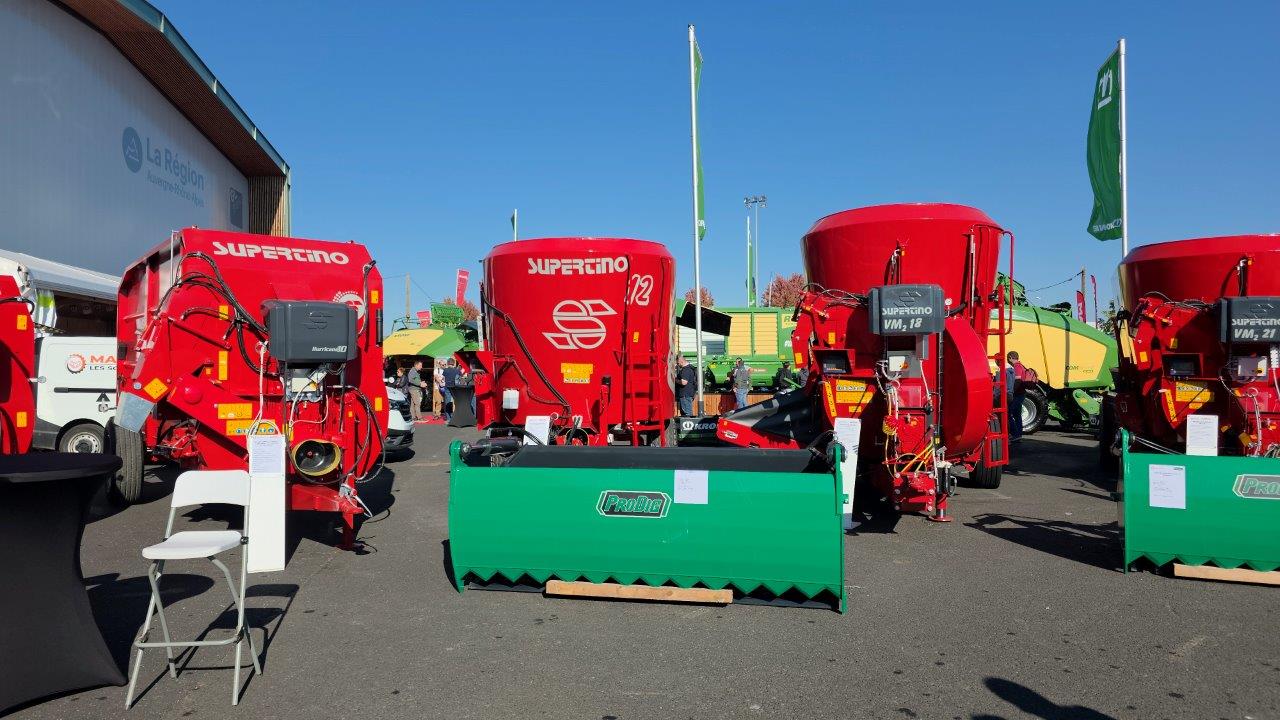
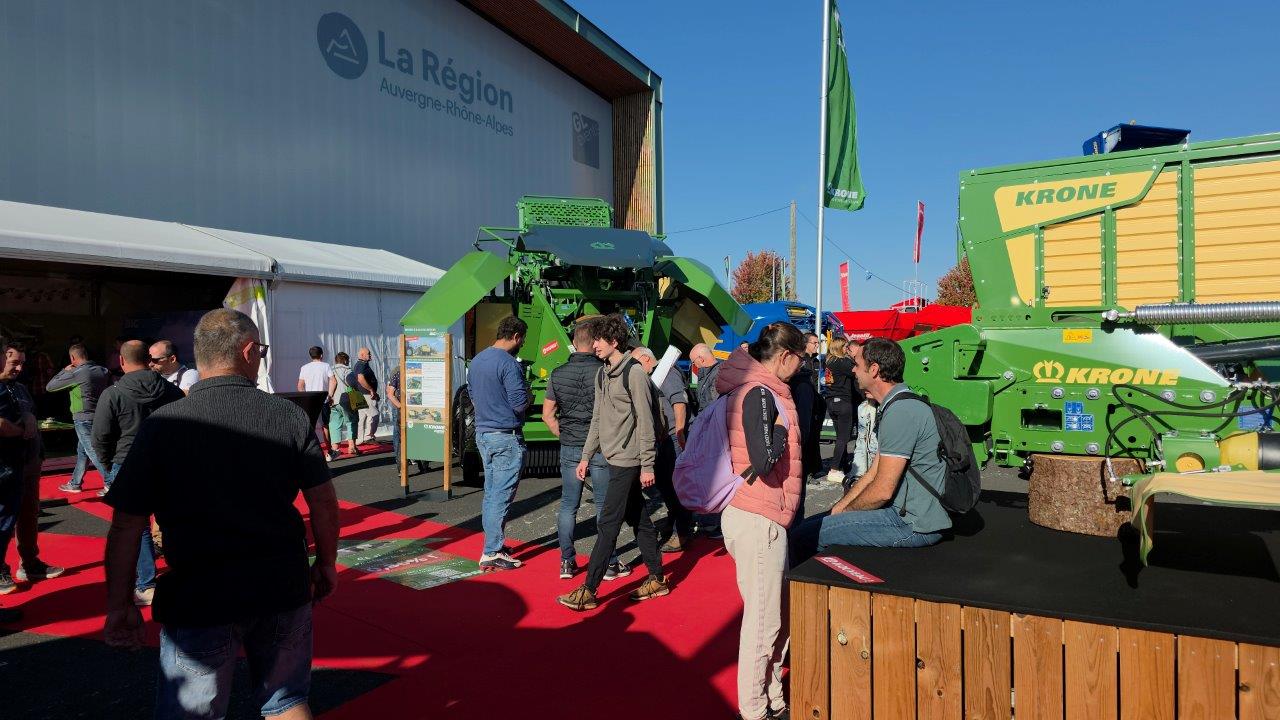
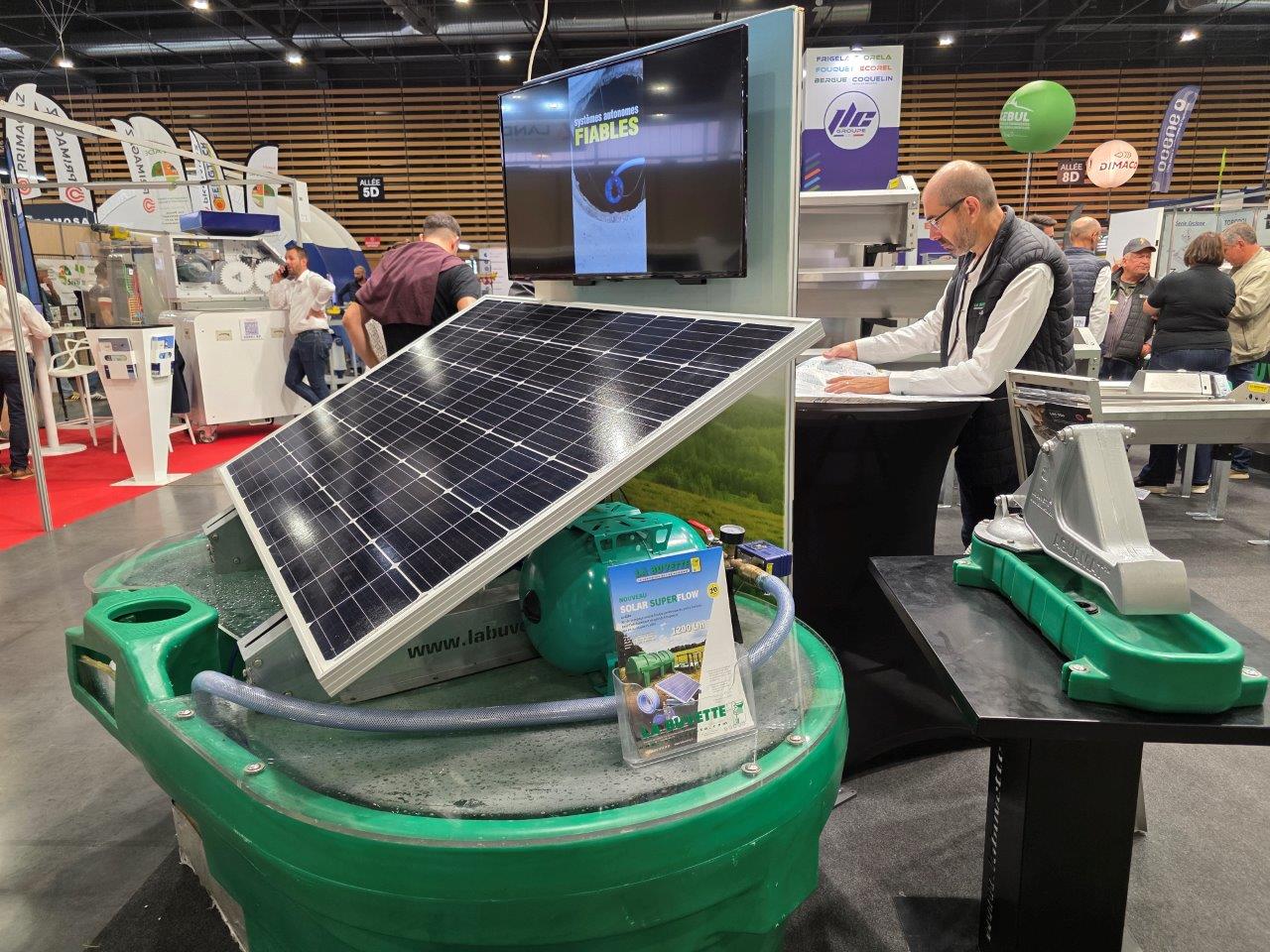
The event featured around 200 conferences covering livestock genetics, animal health, agricultural machinery, farm management and technological innovation. Three new forums focused on agricultural machinery, animal health, and farm succession and the establishment of new farmers.
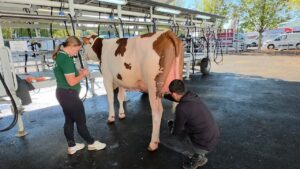
Inside French Dairy Farming: Two Million Litres of Milk
Beyond the exhibition halls, Alpine Agriculture participated in professional farm visits organised as part of the event.
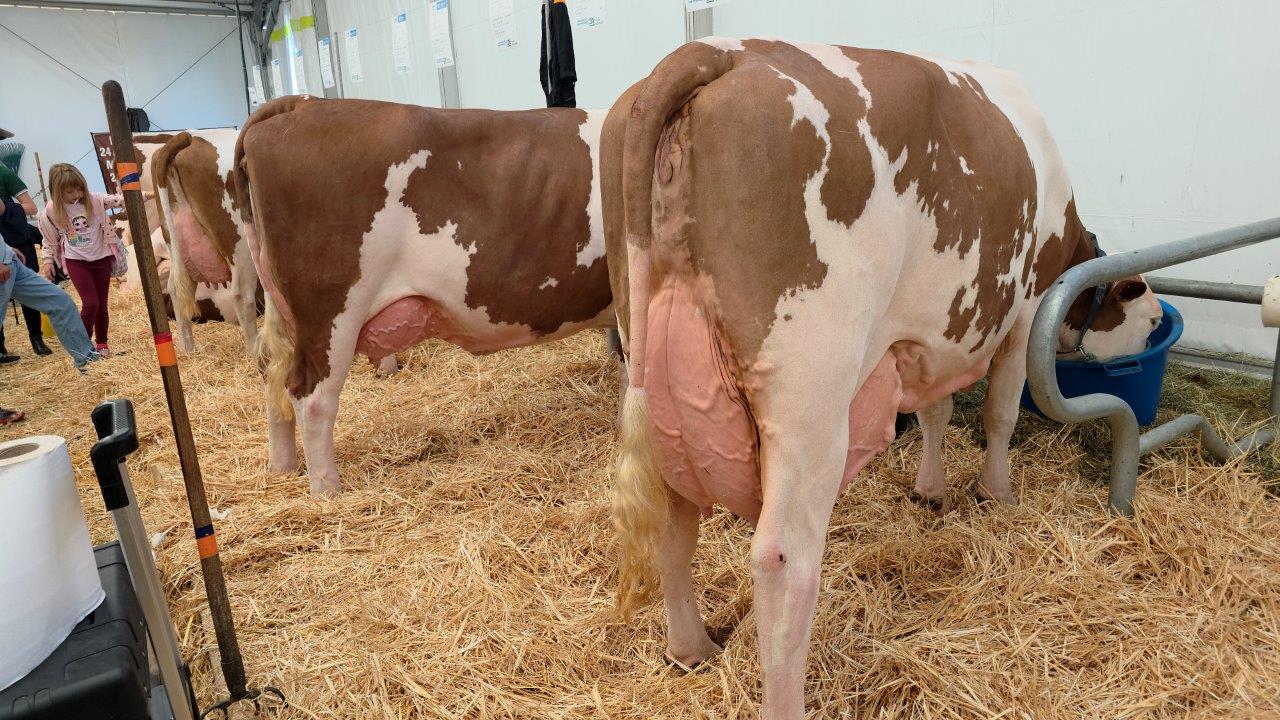
One of the highlights was GAEC Sainte-Bonnette, a dairy farm in Azerat, where three partners jointly manage a large-scale Montbéliarde cattle operation.
According to the farmers, the operation has approximately 200 dairy cows, 450 animals in total, and an annual milk production of around two million litres. The farm manages nearly 400 hectares across two locations.
The farm’s technical documentation reports an average yield of 10,400 litres per cow per lactation, with milk containing 3.93% fat and 3.20% protein. Milk is supplied to Sodiaal, one of France’s major dairy cooperatives.
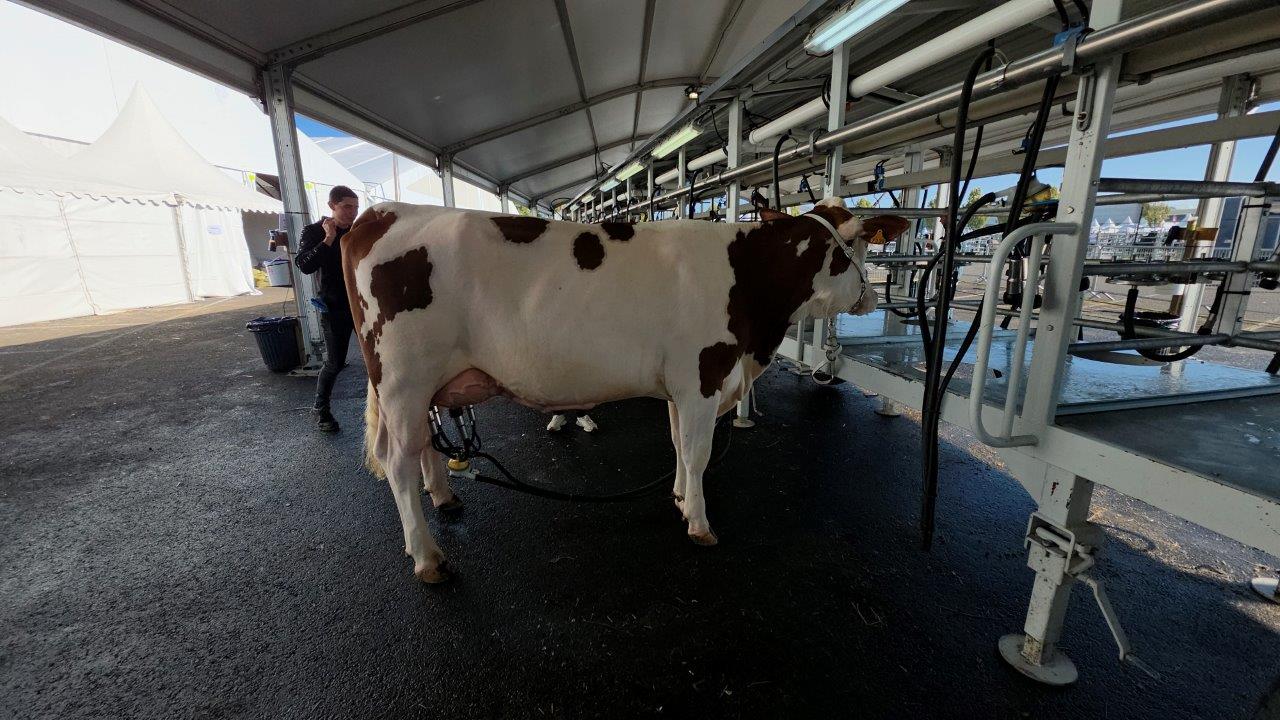
Milking is performed by three robotic systems, while genomic testing and sexed semen are used to select future generations of dairy cattle. The farm also uses Charolais semen for crossbreeding, increasing the beef value of calves not intended for dairy herd replacement.
An equally interesting aspect is the farm’s organisational structure. GAEC, or Groupement Agricole d’Exploitation en Commun, is a French legal model allowing farmers to combine their labour and production resources within a jointly managed agricultural enterprise.

At Sainte-Bonnette, the three partners hold equal shares and participate in managing the business.
Brown Swiss Cattle and Cooperative Milk Production
Another farm visit took Alpine Agriculture to GAEC Talamandier, near Lastic, where Brown Swiss cattle are raised.
The farm has approximately 75 dairy cows and produces around 500,000 litres of milk annually. The visit provided insight into milk production in the Massif Central region, the role of dairy cooperatives and the relationship between farming practices and France’s protected-origin cheese sector.
Together, these two farm visits highlighted different approaches to dairy production, from family-operated herds to larger jointly managed businesses using advanced automation and genetic selection.
Sheep, Wool, Horses and Pastoral Traditions
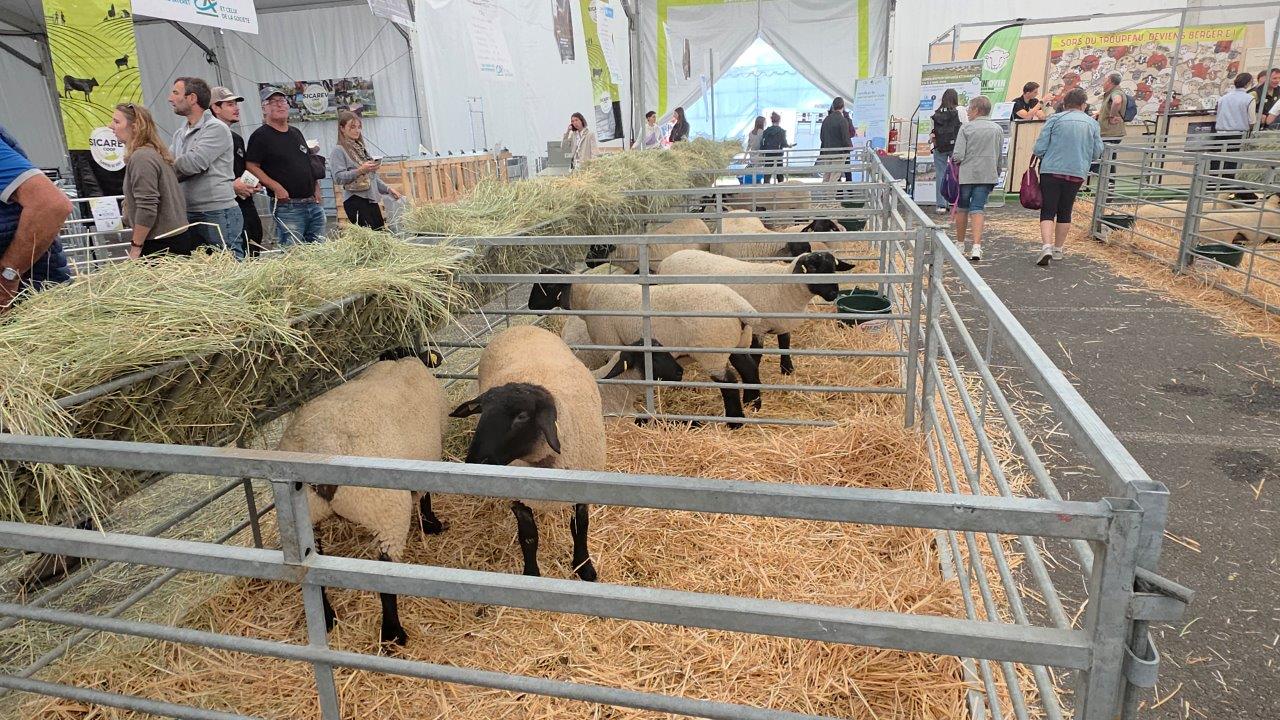
Livestock diversity was one of the most attractive features of SOMMET DE L’ÉLEVAGE.
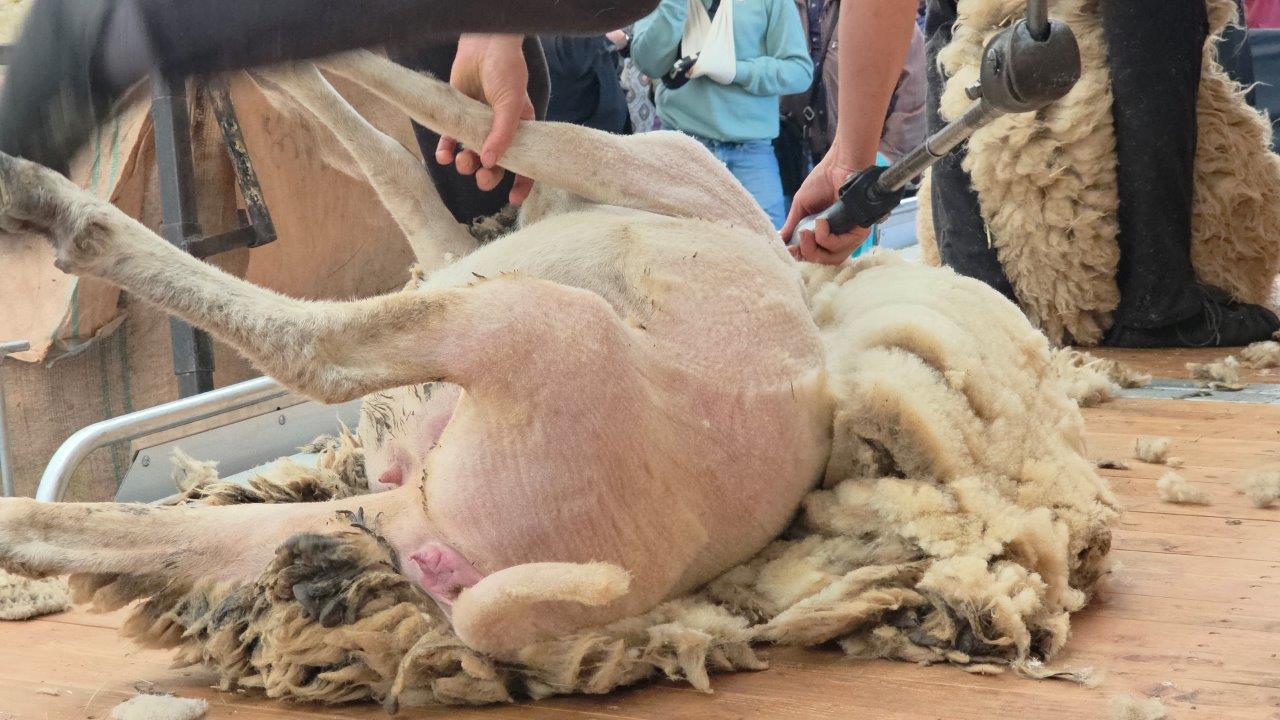
Visitors explored cattle, sheep and horse exhibitions, breed presentations, livestock demonstrations and displays dedicated to wool and sheep shearing.
In the International Year of Rangelands and Pastoralists 2026, particular attention was given to grazing systems, pastoral communities and the preservation of traditional livestock knowledge.
The event also reached beyond the exhibition grounds.
In central Clermont-Ferrand, the PÂTURE initiative transformed part of the city into a space dedicated to the grassland farming systems of the Massif Central. Around 25,000 visitors attended, discovering regional pastoral traditions, sheep flocks and livestock presentations.
A Strong Return for Cattle Exhibitions
The return of cattle to the exhibition halls was particularly significant following the absence of cattle in 2025 due to the outbreak of lumpy skin disease in France.
“After a traumatic 2025, with no cattle due to the outbreak of lumpy skin disease, it was a real pleasure to see the full complement of livestock back in the exhibition halls,” said Jacques Chazalet, President of SOMMET DE L’ÉLEVAGE.
Despite drought-related challenges and economic uncertainty affecting livestock farmers, the exhibition recorded its highest attendance since its establishment in 1992.
What Comes Next?
The 2026 edition demonstrated the growing importance of combining livestock breeding traditions with modern technologies, advanced genetics, animal welfare and sustainable farm management.
From robotic milking systems and genomic selection to cooperative ownership structures and grassland-based livestock farming, SOMMET DE L’ÉLEVAGE offered an extensive overview of the challenges and opportunities facing livestock producers.
The next edition will take place from 5 to 8 October 2027, featuring national championships for Aubrac beef cattle and Holstein dairy cattle.
Alpine Agriculture will continue reporting on European agricultural innovation, livestock production and farming practices through its international editorial coverage.