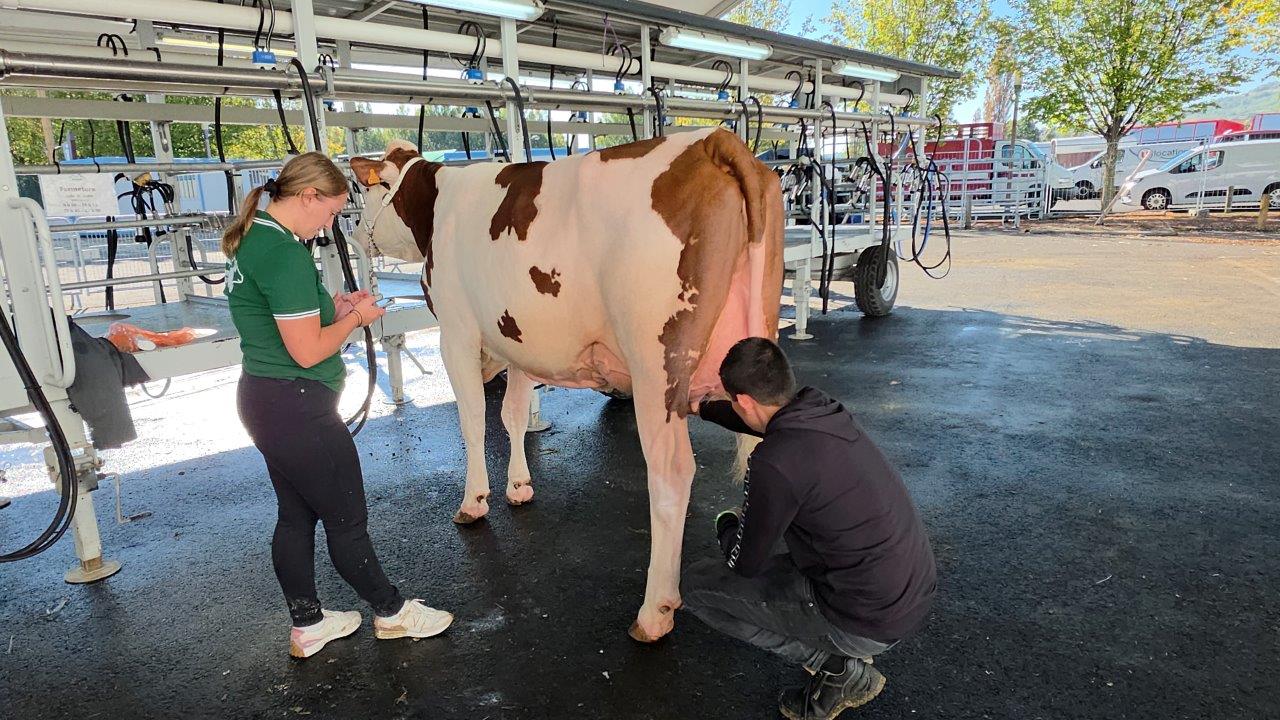
In the heart of the Swiss Alps, the 2026 Salon des Alpages brought together livestock farmers, shepherds, cheesemakers and mountain communities to explore a fundamental question: how can Alpine pastoralism survive and thrive? Alpine Agriculture visited Les Diablerets to discover an event where agricultural traditions meet the economic and environmental challenges of mountain farming.
From 9 to 11 October 2026, the village of Les Diablerets in the Swiss canton of Vaud hosted the 13th edition of Salon des Alpages, a specialised event dedicated to Alpine pastures and mountain livestock farming.
Unlike major international agricultural exhibitions, this fair was not primarily about machinery, large-scale production or record-breaking yields. Instead, the focus was on the farmers, shepherds and rural communities who maintain Alpine grasslands and produce food in some of Europe’s most demanding agricultural environments.
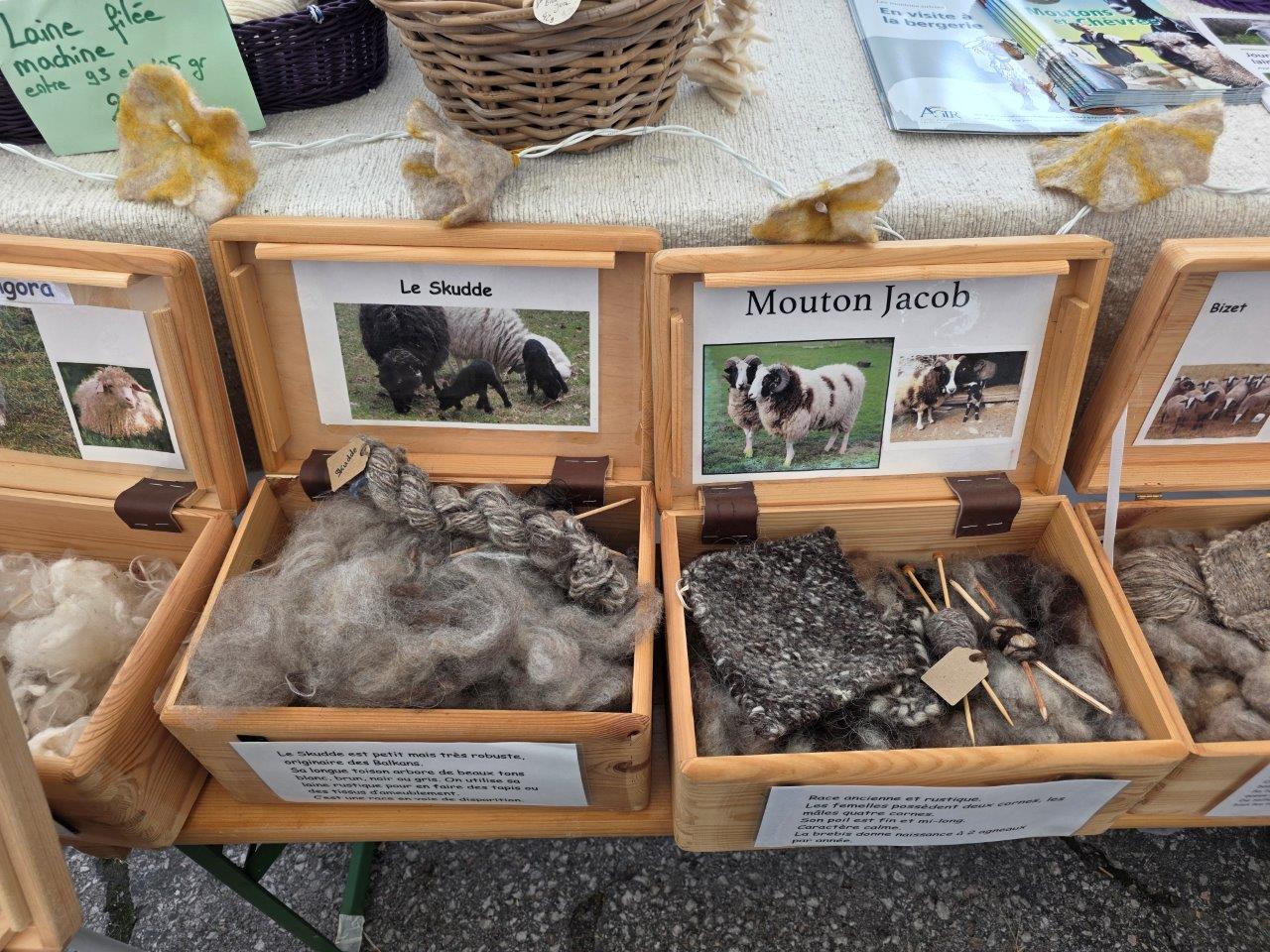
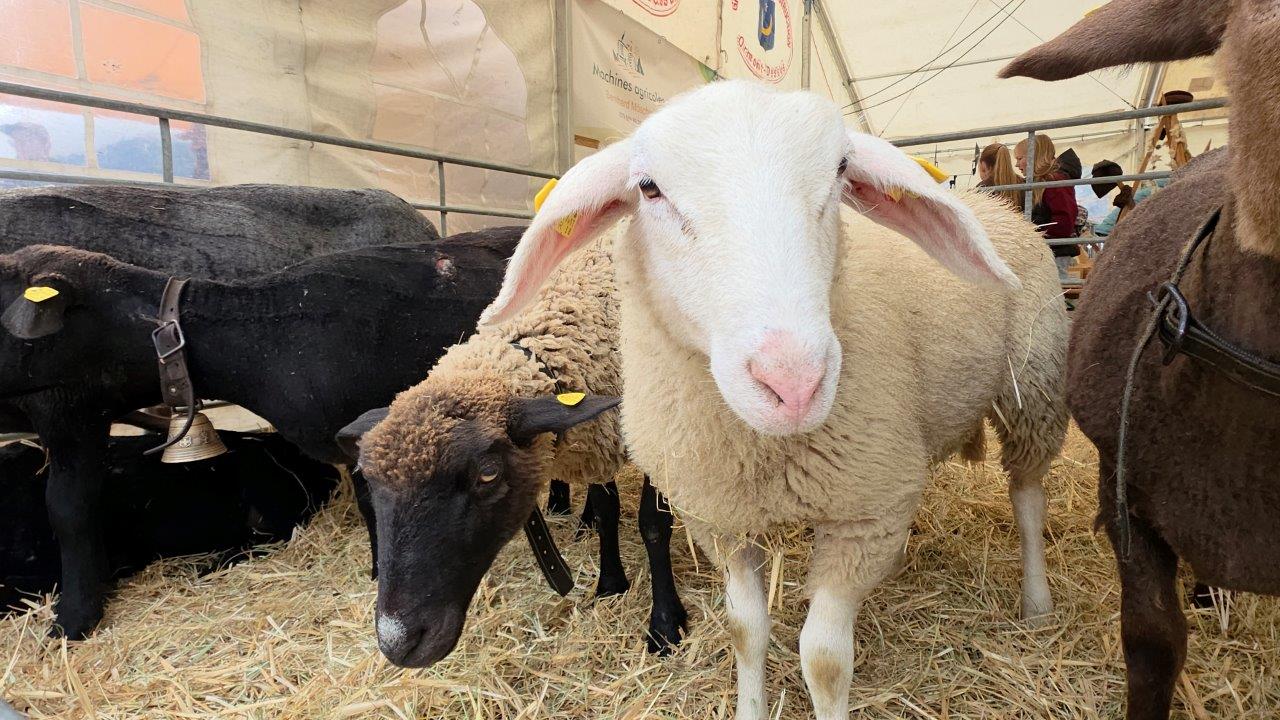
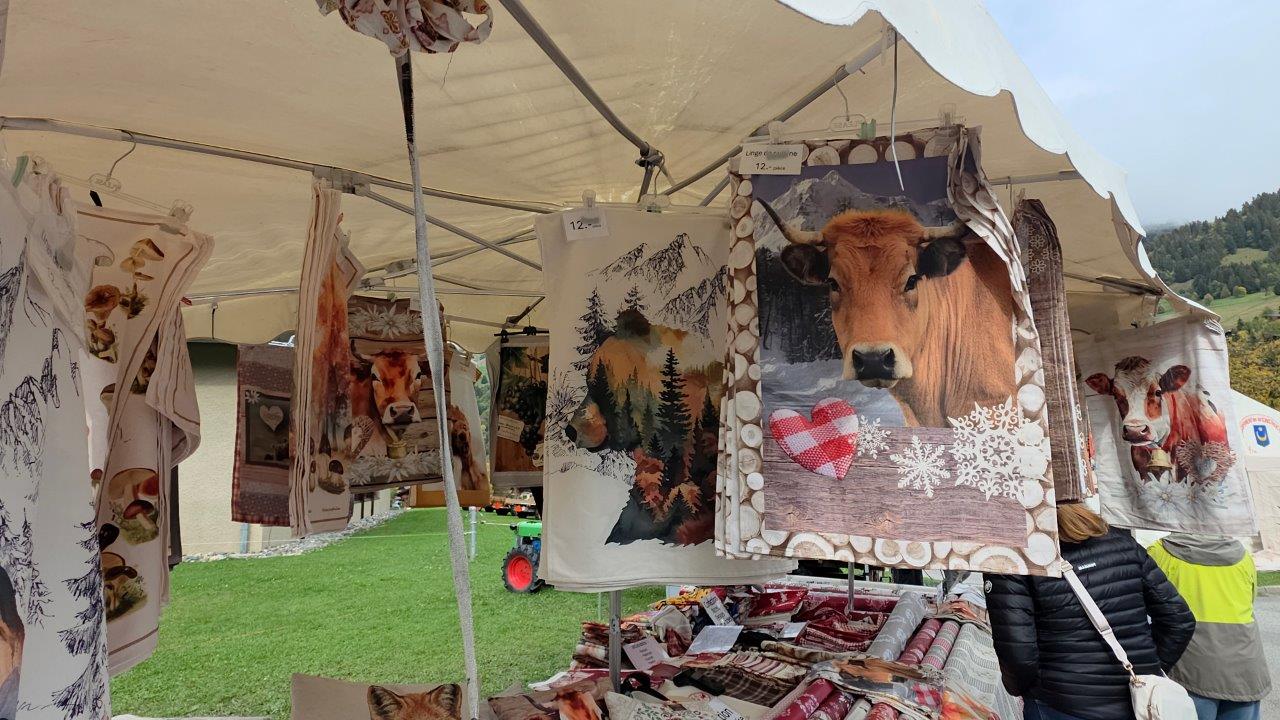
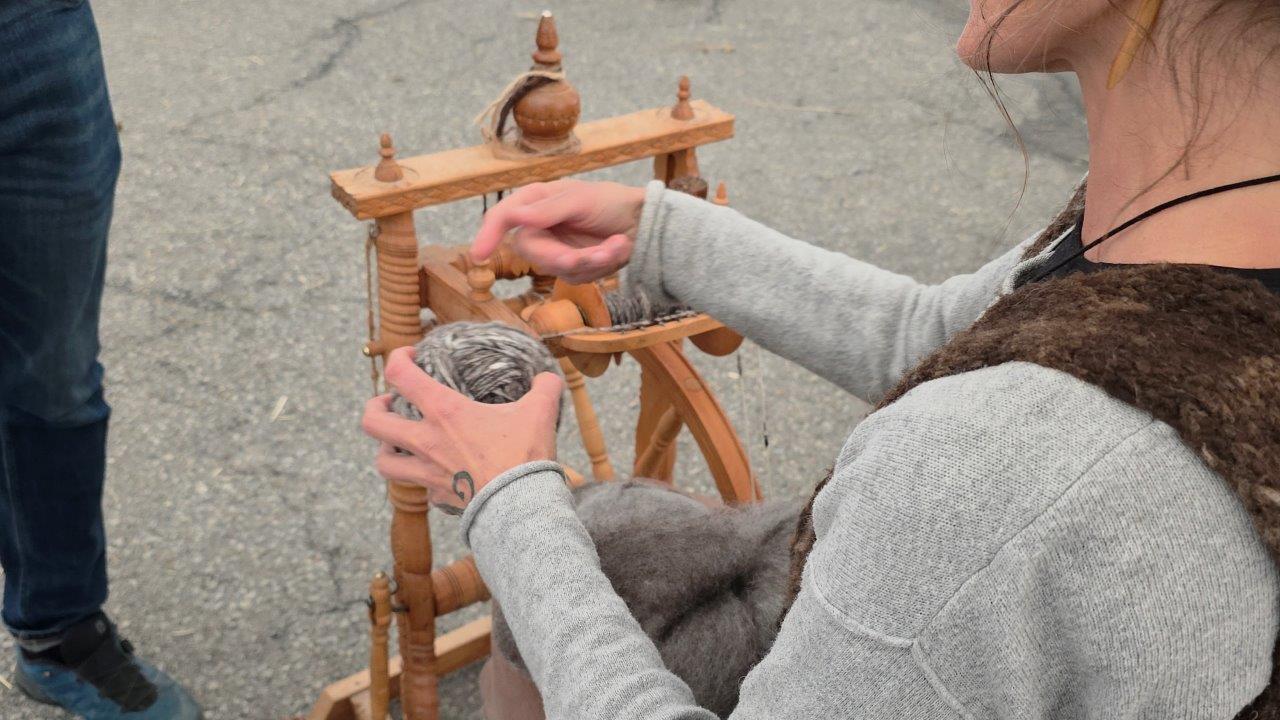
The 2026 edition was particularly significant because it coincided with the United Nations International Year of Rangelands and Pastoralists.
The organisers placed a simple but important question at the centre of the programme: Why should the International Year of Pastoralism matter to all of us?
Through livestock presentations, cheese tastings, professional discussions and educational activities, the event demonstrated that the future of Alpine pastures is closely connected to food production, biodiversity, tourism and the preservation of mountain communities.
Alpine Pastures Are More Than Grazing Land
In Switzerland, seasonal mountain grazing is an essential part of traditional livestock farming.
During the summer months, cattle and other grazing animals are moved to higher elevations, where they feed on grassland vegetation that would otherwise be difficult to use for agricultural production.
This system also allows farmers to reserve lower-altitude fields for producing hay and other winter fodder.
However, the importance of Alpine grazing extends far beyond milk and meat production.
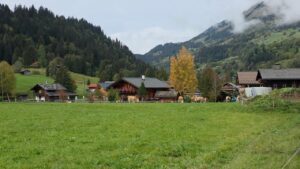
Grazing animals help maintain open mountain landscapes, support certain grassland habitats and prevent the gradual encroachment of shrubs and woodland.
These benefits depend on the continued presence of farmers and shepherds.
Working on Alpine pastures requires daily attention to animal health, water supplies, fencing, access routes and, in some areas, protection against predators.
One of the most important questions facing mountain agriculture is therefore not simply how to manage pastures, but who will continue doing this work in the future.
Cattle from the Ormonts Valley Take Centre Stage
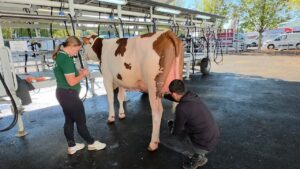
On Sunday, 11 October, a livestock presentation featuring cattle from the Ormonts Valley and the Vaud Alps allowed visitors to discover local farming traditions and meet the people behind them.
Unlike major livestock competitions that focus heavily on genetics and animal performance, these regional presentations also highlight the relationship between animals, farmers and their mountain environment.
In the Swiss Alps, the seasonal movement of cattle between valley farms and high-altitude pastures has shaped agricultural life for generations.
The return of the herds in autumn, known as désalpe in French-speaking Switzerland, remains one of the region’s most recognisable traditions.
Cows are often decorated with flowers and large bells as farmers bring their animals back to the villages after the summer grazing season.
Although Salon des Alpages is a separate event rather than simply a cattle homecoming festival, it celebrates the agricultural culture and knowledge behind these traditions.
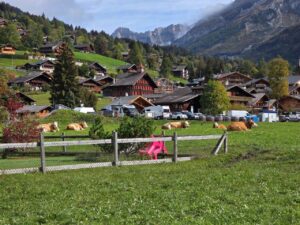
Cheese: Creating Added Value from Mountain Milk
Cheese production is one of the most important economic activities associated with Alpine livestock farming.
Mountain farms often face higher production costs because of steep terrain, difficult access, shorter growing seasons and demanding working conditions.
Transforming milk into high-quality regional cheeses can help farmers capture more value from their production.
At Les Diablerets, visitors discovered regional specialities and had the opportunity to participate in a cheese-tasting competition.
These activities do more than promote local food. They connect consumers directly with the farmers and cheesemakers whose work supports the mountain economy.
Direct sales, traditional cheese production and tourism can provide additional income for agricultural businesses that cannot compete with lowland farms on production volume alone.
In this context, cheese is not simply a food product. It represents the connection between livestock, landscape, tradition and regional identity.
Swiss and French Shepherds Share Their Experiences
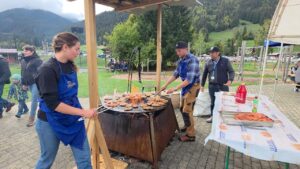
The 2026 edition also brought attention to organisations working to support mountain farmers and pastoral communities.
Among the invited organisations were Caritas Montagnards, the Volontaires Montagne programme and an association connecting shepherds from France and Switzerland.
Their participation highlighted the importance of cooperation, practical assistance and knowledge-sharing in maintaining agricultural activity in mountain regions.
Volunteer programmes can connect people willing to help with farms facing demanding workloads or temporary labour shortages.
Such initiatives also give people outside agriculture an opportunity to experience the realities of mountain farming.
This connection between farming communities and the wider public is especially important at a time when fewer people have direct contact with food production.
The Future of Pastoralism: Labour, Climate and Generational Change
Professional discussions held on Saturday, 10 October, explored the future of pastoralism in the context of the International Year of Rangelands and Pastoralists.
Mountain livestock farmers face several interconnected challenges, including labour shortages, generational succession, economic viability, changing climatic conditions and coexistence with wildlife.
In areas where steep slopes and short growing seasons limit crop production, grazing livestock remains one of the most practical ways to use agricultural land.
Yet maintaining these systems requires viable businesses and working conditions that can attract younger generations.
The future of Alpine farming will therefore depend not only on agricultural policy, but also on the ability to combine traditional knowledge with economic opportunities and modern farm management.
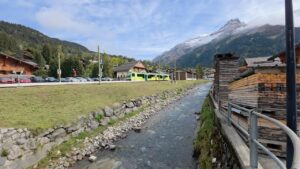
Introducing Children to Mountain Agriculture
Education was another important part of the event.
Through the “School on the Farm” initiative, local schoolchildren participated in a competition dedicated to pastoralism.
Prizes were awarded on Sunday following the livestock presentation.
Such programmes help children understand where food comes from and why farmers are essential to the maintenance of mountain landscapes.
Meeting animals, learning about grazing systems and discovering the daily responsibilities of livestock farmers can create a stronger connection between younger generations and agriculture.
Regional Products, Traditional Skills and Alpine Hospitality
Throughout the main exhibition days, visitors explored displays dedicated to agricultural techniques, traditional crafts, regional products and mountain livestock farming.
Film screenings offered further insights into the lives of shepherds and farming families.
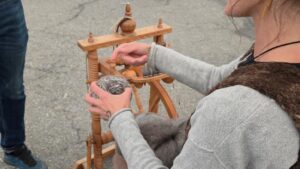
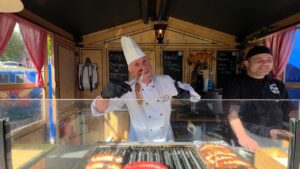
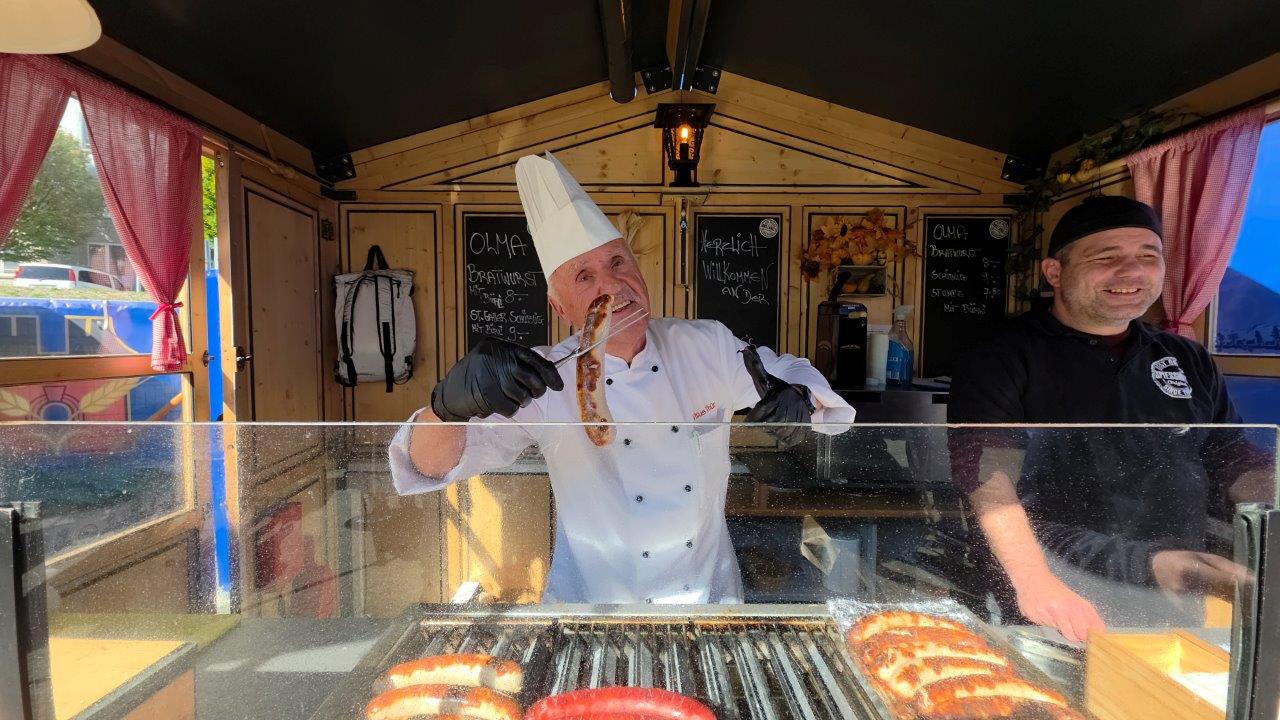
Food was naturally an important part of the experience. One of the evening events combined live music with raclette, the traditional Swiss dish made with melted cheese.
Free admission to the exhibition area also helped make the event accessible to families and visitors interested in discovering Alpine agriculture.
Rather than relying on the scale of a major trade fair, Salon des Alpages created opportunities for direct conversations between farmers, consumers and mountain communities.
Why the Future of the Alps Depends on Farmers
The visit to Les Diablerets demonstrated that the importance of an agricultural event cannot be measured only by the number of exhibitors or visitors.
Salon des Alpages focused attention on the people, animals, products and landscapes that form the living heritage of the Swiss Alps.
Mountain livestock farming contributes to food production, but it also plays an important role in maintaining grasslands, supporting biodiversity, sustaining tourism and preserving regional traditions.
The challenge is to ensure that these activities remain economically viable and attractive to future generations.
Alpine pastures are not unused land waiting for another purpose. They are productive agricultural landscapes shaped by centuries of farming.
Preserving them means more than protecting beautiful scenery. It means supporting the farmers and shepherds whose work keeps the Alps alive.