In summer trials, thermo-reflective screens reduced water loss through evaporation by 40 to 50 percent. The results also show that greater shading alone does not necessarily lead to greater water savings. The material’s ability to reflect heat while allowing enough light through for plant growth also plays an important role.
As dry spells and heatwaves become more frequent, growers are looking for ways to use available water more efficiently. One approach is to influence the crop microclimate: a protective screen can limit heat build-up and slow evaporation while still allowing plants to receive the light they need.
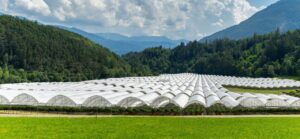
Arrigoni tested 25 different materials in eight field trials conducted over three years. Reference evapotranspiration (ETo) was calculated using a methodology based on FAO guidelines and the Penman-Monteith formula. In summer trials, when maximum temperatures exceeded 31°C, water loss through evaporation under PRISMA® and ROBUXTA® screens was 40 to 50 percent lower than in an uncovered area.
A comparison of different shading levels produced an interesting result. The LDF versions of the screens, with 30 percent shading, reduced water loss by 40 percent. The MDF version, with 49 percent shading, reduced it by 46 percent. Full coverage, which prevents light from reaching the crops, reduced water loss by 75 percent. This comparison also shows why maximum shading is not necessarily the best choice for crop production: plants need light to grow.
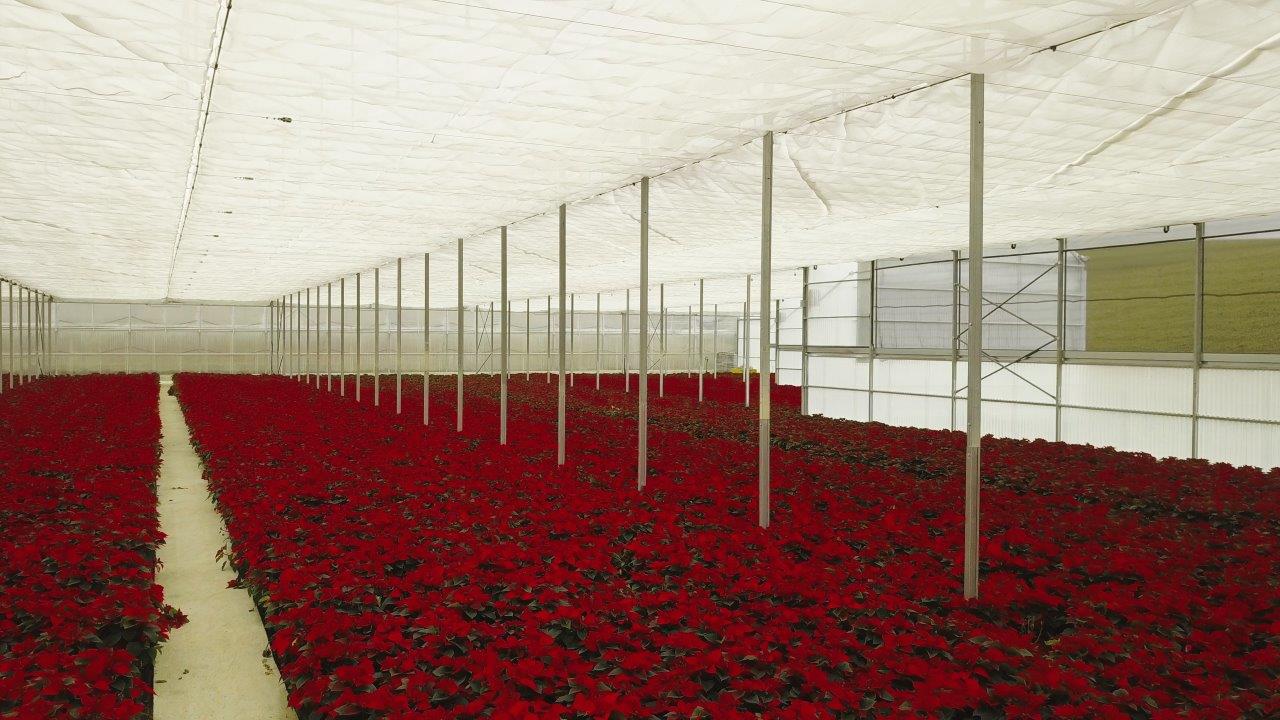
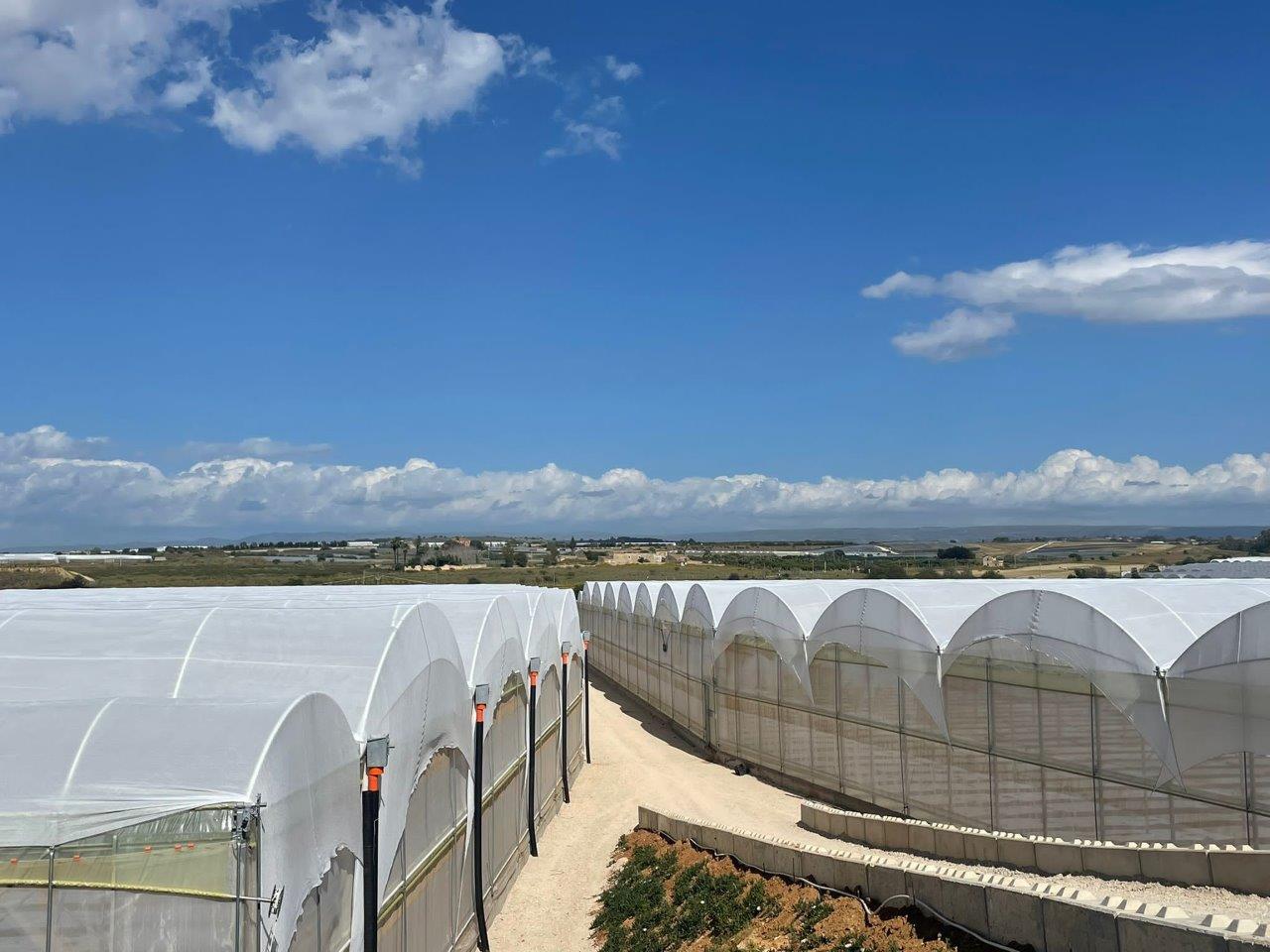
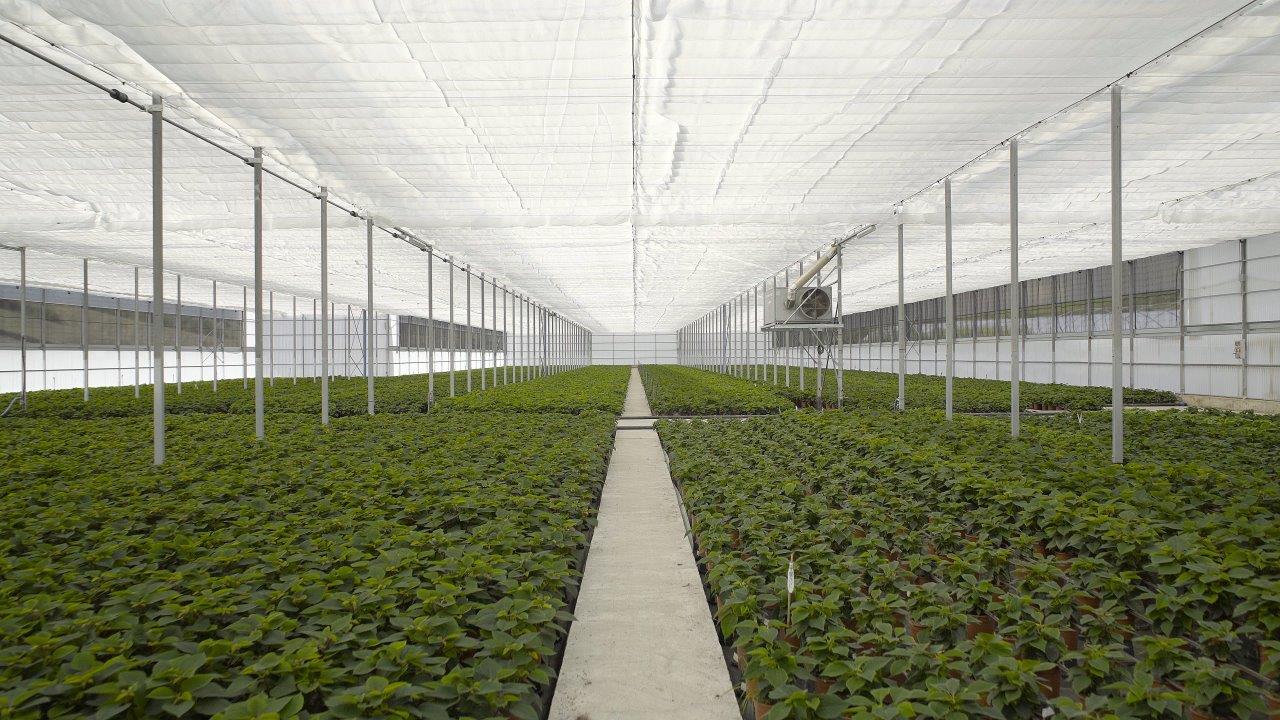
“The shading percentage alone does not explain the water savings. It also matters how much heat the screen can reflect,” explain the agronomists who took part in the trials. Thermo-reflective screens can limit heat build-up and evaporation while allowing enough light through for the crop.
The screens’ white surface reflects part of the solar radiation that contributes to heating. Their ability to diffuse light can help eliminate hot spots and promote more uniform crop growth. The reinforced structure of ROBUXTA® provides greater mechanical strength while retaining its thermo-reflective properties.
These results should be viewed in context: the trials show a reduction in water lost through evaporation beneath the screens, not an equivalent reduction in a farm’s total water use. Actual irrigation needs also depend on the crop, soil, stage of plant development, weather conditions and irrigation system. The trials nevertheless indicate that water management can begin before the irrigation system is switched on, through the choice of materials that influence the crop microclimate.
This work is part of the Group’s research programme and is supported by findings from an independent ACSE trial conducted in France in 2023. The results will be presented at EIMA International in Bologna from 10 to 14 November. The key message is that protecting crops from the sun does not have to mean depriving them of light: a well-chosen screen can help reduce evaporation while maintaining the conditions needed for crop growth.